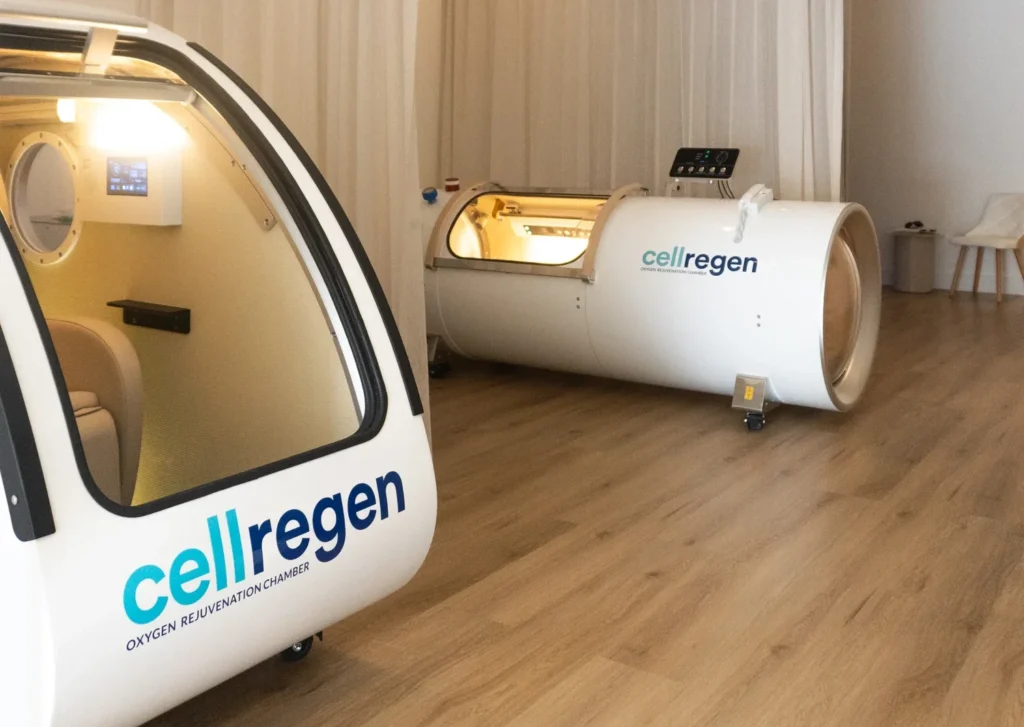
Considering mild hyperbaric oxygen therapy as part of your recovery or wellness routine in Brisbane? Understanding how mHBOT works, what happens during a session and how services differ can help you decide whether the experience aligns with your goals.
This guide explores potential hyperbaric oxygen therapy benefits, the difference between medical HBOT and wellness-centre mHBOT, Australian pricing, safety considerations and the practical questions worth asking before you book.
How Mild Hyperbaric Oxygen Therapy Works
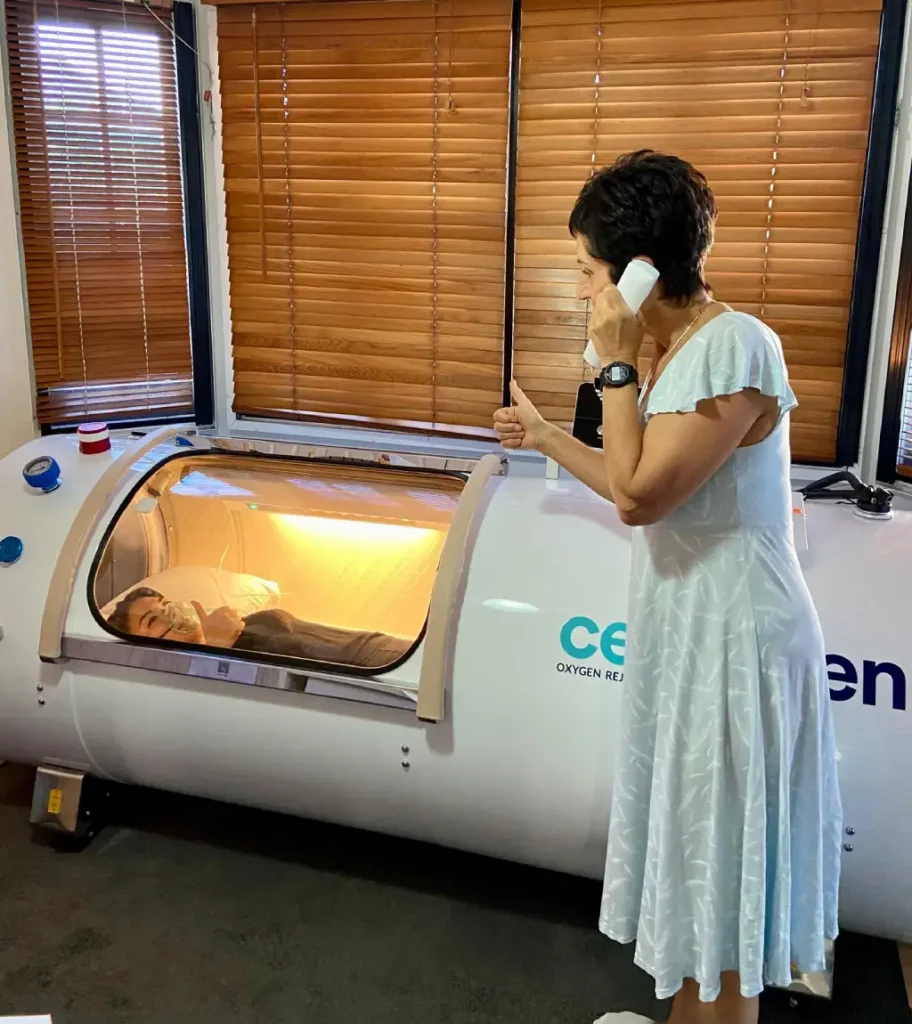
Hyperbaric sessions take place inside a chamber where atmospheric pressure is increased. Depending on the equipment and protocol, oxygen may be delivered through a mask, hood or pressurised environment.
Increasing pressure can raise the amount of oxygen dissolved in blood plasma. The experience and intended application vary according to the chamber, operating pressure, oxygen delivery and session protocol.
Understanding these differences helps you compare services and choose an experience suited to your wellness goals.
Two Different Hyperbaric Settings
Hospital-Based Medical HBOT
Australian hospital-based HBOT is provided under medical supervision for specific recognised clinical indications, using defined treatment pressures, oxygen concentrations and protocols. Access generally requires referral and assessment against the criteria for the condition being treated.
By contrast, Scalar Lounge offers mHBOT as a wellness service. Clients do not need to have a particular medical diagnosis to attend, provided they complete the screening process and have no identified contraindication or requirement for medical clearance.
Mild Hyperbaric Oxygen Therapy (mHBOT)
mHBOT is generally offered outside a hospital environment and can vary in pressure, oxygen concentration, equipment and session format. Asking about these details makes it easier to compare providers with confidence.
Scalar Lounge provides mild hyperbaric oxygen sessions in a private hard-shell chamber capable of operating at pressures of up to 2.0 ATA. Clients breathe approximately 90–95% oxygen through a mask, while the ambient oxygen level inside the chamber may rise to approximately 30%. Sessions take place in a comfortable wellness setting rather than a hospital-based medical environment.
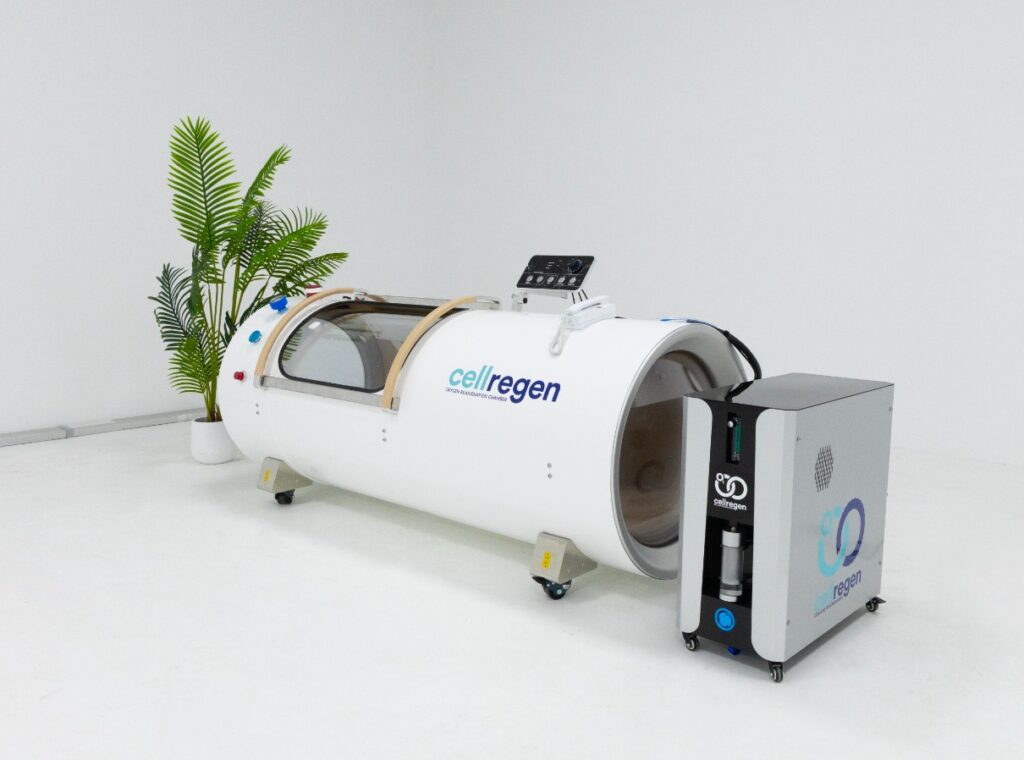
Hyperbaric Oxygen Therapy Benefits-What Australian Evidence Supports
Australia’s Medicare Benefits Schedule contains specific items for hospital-based HBOT delivered under medical supervision. These include defined uses such as certain radiation-related tissue injuries and selected chronic diabetic lower-limb wounds, subject to the requirements of the relevant item.
These recognised medical applications use defined clinical protocols that differ from the mild hyperbaric sessions offered in a wellness setting.
When exploring the research, useful details include the pressure, oxygen concentration, chamber type, session duration and participant group. These factors provide important context and help explain why experiences and findings can differ.
Emerging Uses-Where Research Is Still Developing
Researchers continue to explore hyperbaric oxygen across areas including sports recovery, long COVID and neurological wellbeing. The findings vary according to the people studied and the specific equipment and protocols used.
Emerging research is also examining how pressure and oxygen dose may influence biological responses. Jason Sonners’ 2025 University of Miami doctoral dissertation explored exposures ranging from mild pressure at or below 1.3 ATA to higher pressures, and related original research compared 1.3 ATA with 2.0 ATA protocols. These findings are preliminary and should not be treated as established clinical evidence, but they reinforce the importance of comparing pressure, oxygen concentration and session protocol when interpreting hyperbaric research.
Sports Performance, Preparation and Recovery
Athletes may explore mHBOT as part of a broader training, preparation and recovery strategy. Research has examined hyperbaric oxygen before and after exercise, with interest in recovery, fatigue, exercise capacity and physiological adaptation.
Evidence is still developing and findings vary with pressure, oxygen concentration, timing and session protocol. mHBOT is best considered alongside appropriate training, nutrition, rest and professional support.
Long COVID
Healthdirect notes hyperbaric oxygen therapy among treatment options showing positive results for some people with long COVID, while also stating that there is no single treatment and that management should be individualised with appropriate healthcare professionals.
Anyone experiencing long COVID should work with their healthcare professional to develop an individual management plan and discuss whether complementary wellness services are appropriate.
Post-Concussion and Other Off-Label Uses
Studies have explored HBOT for persistent neurological symptoms and other emerging applications. Protocols, participant groups and findings vary, making the details of each study important when considering its relevance.
For a diagnosed condition, discuss the evidence and suitability with an appropriately qualified healthcare professional.
Why Pressure, Oxygen Delivery and Chamber Type Matter
The terms “hard-shell” and “soft-shell” describe chamber construction. When comparing providers, also consider the operating pressure, oxygen concentration, delivery method, session duration, screening and level of supervision.
Scalar Lounge’s private hard-shell chamber can operate at up to 2.0 ATA, with approximately 90–95% oxygen delivered through a mask. These clear service details help clients understand exactly what to expect before booking.
A transparent provider should be able to explain its equipment, session format and how any research it references relates to the service offered.
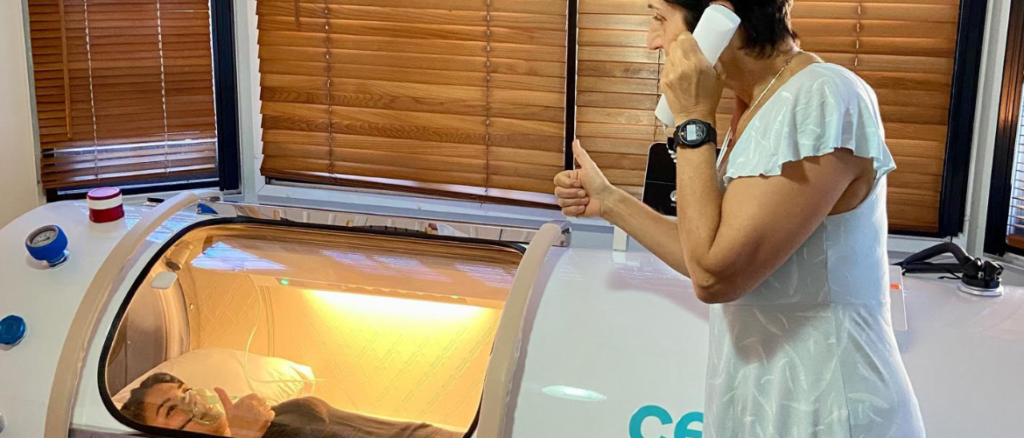
What mHBOT Costs in Australia
Costs vary by provider, chamber type, session duration and package size. A meaningful comparison should consider the total recommended number of sessions-not only the single-session price.
Scalar Lounge currently lists individual 60-minute and 90-minute mHBOT sessions, along with multi-session packages. Prices and package inclusions may change, so confirm the current amount and total commitment on the mHBOT pricing page before booking.
Questions to ask about cost include:
- What is the full price of the suggested session plan?
- Is an onboarding or screening appointment charged separately?
- How long are packages valid?
- Are unused sessions refundable or transferable?
Side Effects and Safety Considerations
mHBOT is generally well tolerated, but pressurisation may cause temporary ear or sinus pressure, particularly if you are congested or have difficulty equalising. Some people may also experience temporary visual changes or discomfort in an enclosed space.
At Scalar Lounge, every new client completes a screening process and receives guidance on equalising ear pressure before their first session. If you are unwell, congested or have a health condition that may affect your suitability for mHBOT, please contact us before booking or seek appropriate medical advice.
Contraindications and When to Seek Medical Advice
Untreated pneumothorax is widely recognised as an absolute contraindication to hyperbaric oxygen exposure. Other medical conditions, medications and circumstances may require assessment or medical clearance before a session.
Contact Scalar Lounge before booking if you are pregnant, have an ear or sinus problem, a lung condition, uncontrolled seizures, a pacemaker or transplanted organ, a history of relevant chemotherapy, or any other concern about whether pressurisation is appropriate for you.
This list is not exhaustive. Scalar Lounge’s screening process does not replace advice from your doctor or a qualified hyperbaric medicine professional.
Five Questions to Ask Any HBOT or mHBOT Provider
1. What pressure and oxygen concentration do you use?
Ask for the operating pressure in ATA, the oxygen concentration and how oxygen is delivered. Then compare those details with any research the provider cites.
2. Is this medical HBOT or wellness-centre mHBOT?
Look for a clear explanation of the setting, equipment, session format and supervision so you understand whether the service is medical HBOT or wellness-centre mHBOT.
3. What screening occurs before the first session?
Ask who reviews contraindications, medications, ear and sinus health, respiratory history and other relevant factors-and when medical clearance is required.
4. What evidence supports the outcome being discussed?
Ask whether the research used a similar pressure, oxygen concentration, chamber type and session protocol. This makes it easier to understand how closely the study relates to the service you are considering.
5. What is the complete cost and expected commitment?
Ask about session duration, onboarding fees, package expiry and cancellation terms so you can understand the complete commitment before booking.
Frequently Asked Questions
What can I expect from mHBOT and how quickly?
Experiences and timeframes vary. Medical protocols are determined by the condition being treated, while wellness-centre mHBOT session plans depend on the provider, format and individual goals.
What are the main hyperbaric chamber benefits?
In a wellness setting, people may choose mHBOT as part of a broader recovery or wellbeing routine, with experiences varying from person to person. In medical settings, HBOT is used for specific indications under defined clinical protocols.
How much does mHBOT cost at Scalar Lounge?
Scalar Lounge offers 60- and 90-minute sessions and multi-session packages. Check the current mHBOT pricing page for the latest amounts, inclusions and package terms.
Who should avoid hyperbaric oxygen therapy?
Anyone with untreated pneumothorax should not undergo hyperbaric oxygen exposure. Other conditions and medications may require medical assessment. Complete the provider’s screening process and consult your healthcare professional when appropriate.
Explore mHBOT at Scalar Lounge
Scalar Lounge offers individual 60- or 90-minute mild hyperbaric oxygen sessions in a private hard-shell chamber within a premium wellness setting in Wooloowin, Brisbane. Every new client completes screening before their first session, helping the team provide a comfortable and well-informed experience.
Sources and Further Reading
Australian Medicare Benefits Schedule-Hyperbaric Oxygen Therapy
Healthdirect-Long COVID: symptoms, treatment and management
Undersea and Hyperbaric Medical Society-HBO Indications
TGA-Determining if your content is advertising
Scalar Lounge-Current mHBOT Pricing
University of Miami-Jason Sonners doctoral dissertation (2025)
Therapeutic Sciences-Jason Sonners, mild and high-pressure HBOT comparison (2025)